Family Dental Care & Pediatric Dentist: Caring Cleanings and Vibrant Smiles for Children
Pediatric dentists specialize in creating a relaxing setting for kids throughout their dental appointments. Their gentle cleaning techniques help reduce anxiety and foster pleasant encounters. Family dental care plays a key purpose in supporting healthy oral care routines. Caregivers may demonstrate these habits, nurturing a health-focused atmosphere within the home. Understanding the nuances of pediatric care is critical to developing lifelong habits. What particular approaches can improve this joint effort?
What to Anticipate During Your Child's Initial Dental Visit?
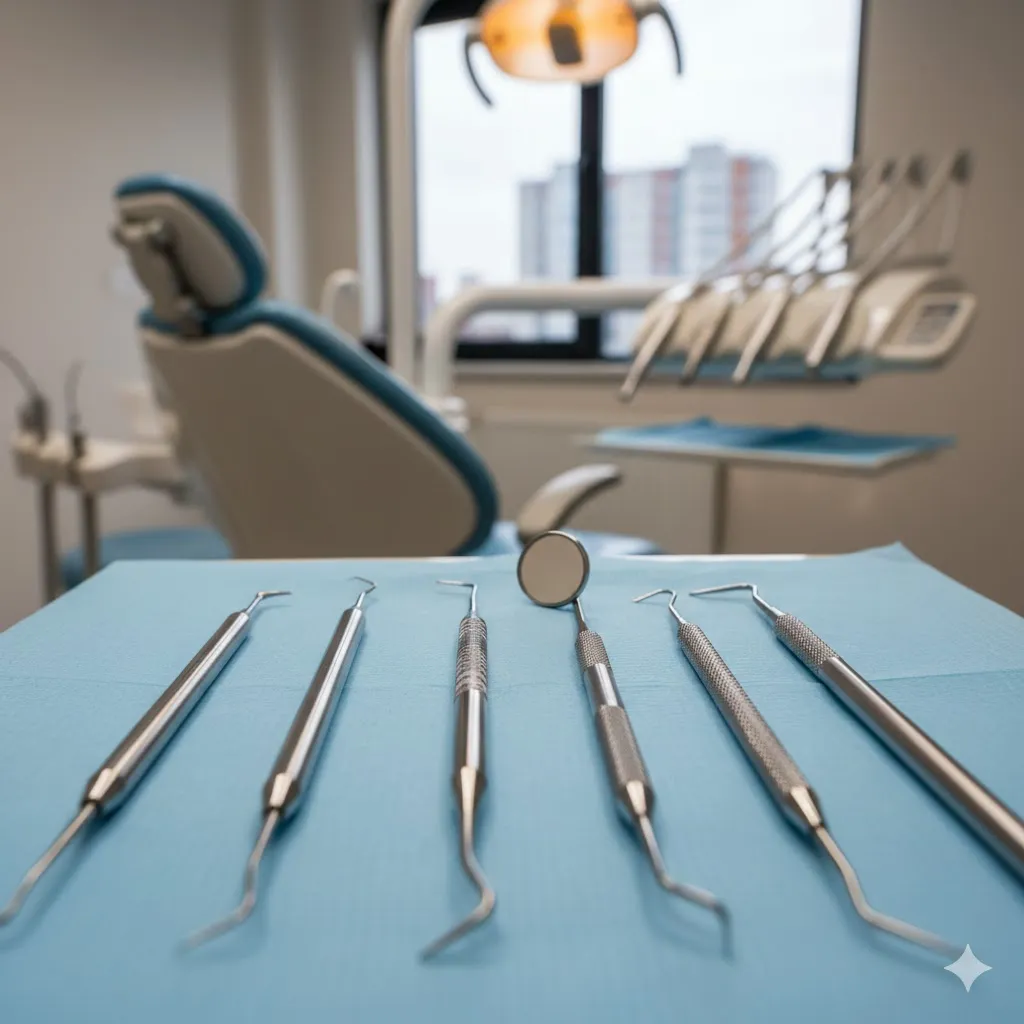
What will parents experience during their child's first visit to the dentist? During this preliminary appointment, families usually find a welcoming environment designed to ease children's fears. The pediatric dentist will begin by introducing themselves and describing the procedure in a warm manner. Parents can anticipate a complete examination of the child's teeth and gums, looking for any signs of decay or developmental concerns.
The dentist may also review similar information the child's dental history and talk about oral hygiene habits with the parents. Considering the child's age and comfort level, the visit may include a gentle cleaning, though the focus remains on making the experience positive. Teaching aids, such as bright informational sheets or fun visuals, might be provided to engage the child. In the end, this first visit aims to establish a foundation for oral health and comfort in the dental setting, encouraging a positive attitude toward future dental care.
How Gentle Cleaning Practices Benefit Kids
Even though dental hygiene is vital for children, the approaches used during cleanings must be gentle to suit their sensitive teeth and gums. Pediatric dentists prioritize gentle cleaning approaches to provide a positive experience for young patients. Children frequently feel anxious about dental visits, and a tender approach helps alleviate fear, fostering a trusting relationship with the dentist.
Gentle cleaning practices lower the risk of trauma and discomfort, helping children to remain cooperative and calm. Utilizing softer brushes and less abrasive pastes lessens irritation, promoting a more effective cleaning process. Moreover, these methods can avoid potential damage to delicate enamel, which is critical for long-term dental health.
Help Your Children Develop Lasting Dental Habits
Building strong dental habits early on can substantially influence a child's long-term oral health. Parents play an essential role in guiding their children toward effective dental practices. Regular practices should include brushing teeth at least twice a day with fluoride toothpaste, which helps to reinforce enamel and prevent cavities. Flossing, ideally introduced around age six, is essential for maintaining healthy gums and removing food particles from between teeth.
Educating children about the importance of limiting sugary snacks and drinks can also encourage better choices. Regular dental check-ups should be emphasized, teaching children that visiting the dentist is a normal, positive experience. Showing proper brushing and flossing techniques can further engrain these habits, making oral care feel less like a chore and more like a fun activity. By cultivating these practices, parents can help their children develop a mindset focused on maintaining a healthy smile throughout their lives.
The Advantages of Selecting a Pediatric Dental Specialist for Your Child
Opting for a pediatric dentist delivers numerous advantages that can elevate a child's dental experience and overall oral health. Pediatric dentists are expertly trained to address the special dental needs of children, employing techniques and approaches customized to younger patients. Their offices are usually designed to establish a inviting and fun environment, minimizing anxiety and fear associated with dental visits.
Additionally, pediatric dentists are adept at communicating with children, making the experience more engaging and comfortable. They emphasize preventive care, educating children as well as parents about proper oral hygiene practices that can result in lifelong healthy habits. Moreover, these specialists remain informed about the latest advancements in pediatric dentistry, ensuring that children receive the most effective treatments available.
How Family Dental Care Boosts Children's Oral Health
Children's oral health is significantly enhanced through family dental care by establishing a unified approach to dental hygiene within the household. When families make a priority of regular dental check-ups and cleanings, children learn the importance of oral health from an early age. Parents act as role models, exhibiting effective brushing and flossing techniques, which children are inclined to imitate.
Additionally, family dental care promotes open communication between parents and children about dental topics, lessening anxiety and encouraging proactive behaviors. This collaborative environment often leads to superior dietary choices, as families collectively steer clear of sugary snacks that can harm teeth.
Additionally, embedding dental care into family routines can help detect and address dental issues early, averting more serious issues down the line. In general, a family-centered approach not only cultivates healthy habits but also fosters a positive attitude regarding dental visits, providing a foundation for lifelong oral health.
Frequently Asked Questions
When Should My Child Have Their First Dental Visit?
Specialists advise taking a child for their first dental appointment by age one or within six months after the first tooth comes in. These initial appointments create a foundation for healthy oral health and pleasant dental experiences.
What Is the Recommended Frequency for My Child's Dental Visits?
Young patients should visit their dentist every six months for routine examinations and cleanings. This regularity helps oversee dental growth, resolves any emerging concerns early, and builds a framework for enduring oral health routines.
Are Pediatric Dental X-Rays Safe?
Children's dental x-rays are usually deemed safe when done with appropriate care. Safety protocols, including lead aprons and correct procedures, reduce radiation contact. Practitioners analyze personal circumstances to verify that positive outcomes outweigh possible risks.
What Should I Do if My Child Has a Dental Emergency?
In a dental emergency, the caregiver should maintain composure, assess the situation, and contact a dental professional immediately. Rinsing the mouth with warm water and administering a cold compress can give temporary relief until treatment is obtained.
What Can I Do to Help My Child Overcome Dental Anxiety?
To assist a child overcome dental anxiety, caregivers can create a calm environment, use positive reinforcement, describe procedures in simple terms, incorporate role-play, and encourage open communication about worries and anxieties.