All-Inclusive Dental Care: Qualified Dentist Services for a Healthy Smile
Thorough dental care is essential for preserving excellent oral health. It comprises various services that address preventative measures, diagnosis, and treatment of dental problems. Regular examinations and cleanings can substantially reduce the risk of cavities and gum disease. Moreover, advanced treatments and cosmetic options are available for those seeking upgrades. Understanding the nuances of these services can help individuals make informed decisions about their dental health. What factors should one consider when seeking the right professional?
What Makes Comprehensive Dental Care Essential for Your Oral Health?
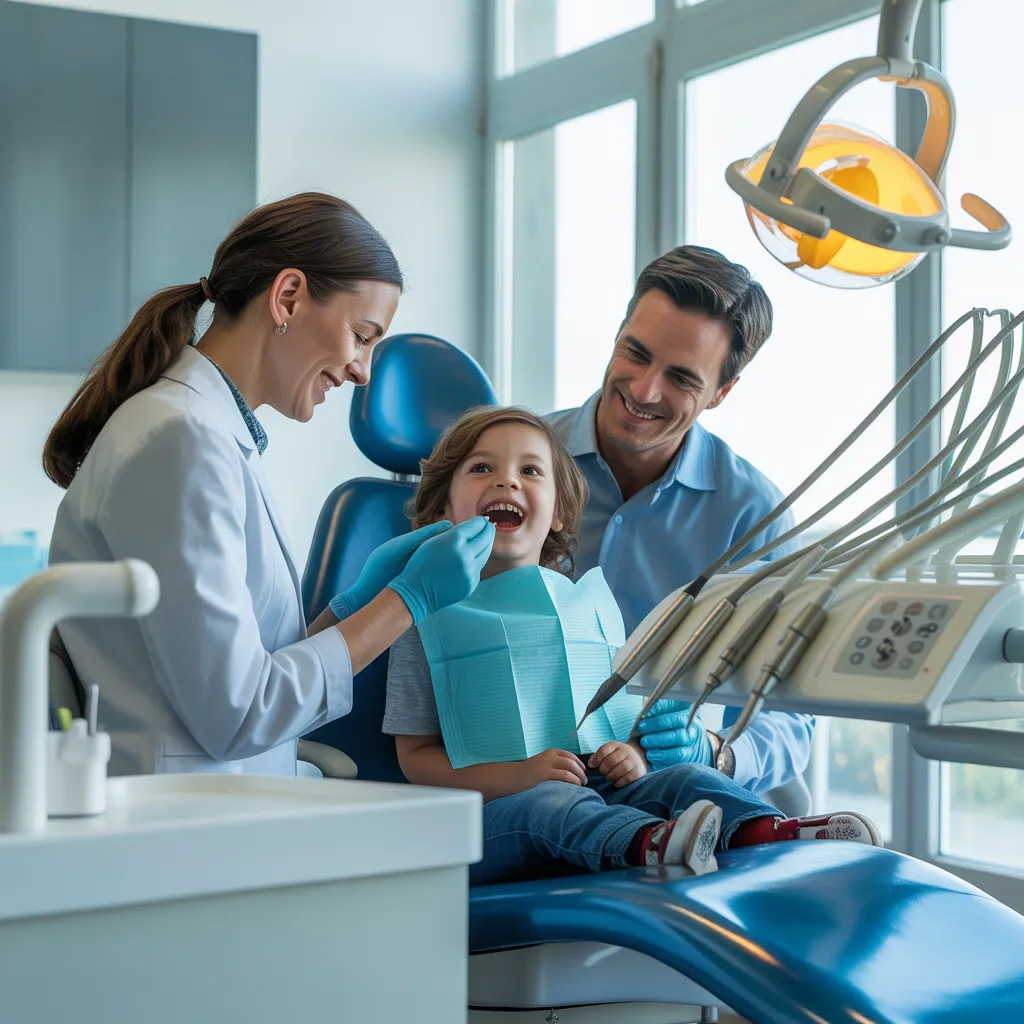
Complete dental care serves as the foundation for maintaining optimal oral health. Extensive dental care encompasses a range of services designed to ward off, diagnose, and treat oral diseases. This integrated approach guarantees that all aspects of oral hygiene are addressed, minimizing the risk of cavities, gum disease, and other dental concerns. Regular dental check-ups, cleanings, and preventive treatments play a critical role in identifying concerns early, thereby lessening the need for more invasive procedures later on.
In addition, complete care enhances general health by connecting oral health to systemic disorders such as diabetes and heart disease. By promoting a proactive mindset towards dental hygiene, patients are more likely to implement healthier habits, bringing about improved long-term results. Thus, thorough dental care is not merely about getting a bright smile; it is crucial for maintaining overall well-being and ensuring that oral health is maintained throughout an individual's life.
How Do Regular Check-Ups and Cleanings Prevent Dental Issues?
Routine check-ups and cleanings serve as essential elements of comprehensive dental care that significantly aid in preventing dental problems. These periodic sessions help dental practitioners to spot early warning signs of complications, such as cavities and gum disease, before they advance into more acute problems. While conducting a check-up, a dentist meticulously evaluates the teeth and gums, guaranteeing any inconsistencies are managed swiftly.
Dental cleanings clear away plaque and tartar buildup that regular brushing and flossing might overlook, considerably reducing the risk of decay and periodontal disease. Moreover, dental professionals deliver valuable guidance on maintaining optimal oral hygiene practices at home.
Key Dental Care Services for Full Care
While many individuals may focus on routine check-ups, a thorough approach to dental care encompasses a variety of key services created to satisfy diverse oral health needs. Preventive services, such as cleanings and fluoride treatments, perform a critical role in preserving dental wellness by removing plaque and strengthening enamel. Reparative treatments, including fillings and crowns, resolve current oral problems, ensuring practical use and visual appeal. Additionally, orthodontic services assist in fixing crooked teeth, promoting improved dental health and superior aesthetics. Gum disease treatment is critical for treating periodontal conditions, while cosmetic dentistry options, such as enamel whitening and cosmetic veneers, offer solutions for bettering dental aesthetics. Each of these services builds toward a thorough dental treatment plan, tailored to individual needs, ultimately promoting lasting oral hygiene and wellbeing. A complete method secures that people acquire not just care, but also guidance on maintaining their smiles for the foreseeable future.
When Should You Consider Advanced Dental Treatments?
Comprehensive dental treatments become a necessary option when routine preventive and restorative services are not enough to address more challenging oral health problems. Individuals may face situations such as serious tooth decay, advanced periodontal disease, or considerable tooth loss, where traditional methods are insufficient. Additionally, those experiencing ongoing pain or discomfort may discover that routine treatments fail to deliver the relief they require.
Under these circumstances, sophisticated solutions including dental implants, root canals, or full mouth rehabilitation may be essential. Additionally, patients with specific aesthetic needs, like misalignment or discoloration that cannot be addressed through conventional approaches, should also look into advanced treatments. Speaking with a qualified dentist can assist in identifying the suitable timing for these services, making certain that individuals receive tailored care that handles their individual dental issues. Eventually, understanding the need for advanced treatment can result in better oral health and complete well-being.
In What Ways Can Cosmetic Dentistry Transform Your Smile?
Cosmetic dentistry offers various solutions to elevate the appearance of a smile. Discolored teeth can be effectively brightened through teeth whitening options, while veneers provide a versatile method to correct imperfections and enhance overall aesthetic appeal. Together, these treatments can substantially enhance one's confidence and smile.
Options for Teeth Whitening
What methods help people attain a brighter smile via teeth whitening solutions? Multiple approaches are available to enhance tooth brightness, accommodating different needs and preferences. Professional in-office whitening treatments deliver quick results, using stronger bleaching agents under the supervision of a dentist. Custom take-home kits are another practical alternative, permitting patients to whiten their teeth at their convenience, often generating noticeable results within a few weeks. Over-the-counter whitening products, such as strips and gels, present a more accessible option, though they may necessitate longer usage and may not be as potent. It is crucial for individuals to consult with their dentist to determine the most suitable option for their dental health and desired outcomes, guaranteeing a safe and effective whitening experience.
Aesthetic Appeal Through Veneers
For patients wanting a more dramatic transformation in their smile, veneers deliver an effective solution that goes beyond teeth whitening. These thin shells of porcelain or composite resin are specially crafted to cover the front surface of teeth, addressing issues such as discoloration, chips, or misalignment. Veneers provide a natural appearance while boosting the overall aesthetic appeal of the smile. The procedure typically involves minimal tooth reduction, making it a conservative option compared to crowns. Patients love the immediate results and durability of veneers, which can last for over a decade with proper care. All in all, veneers represent a popular choice in cosmetic dentistry, allowing individuals to achieve a bright, uniform smile that reflects their personality and enhances their confidence.
How to Pick the Best Dentist for Full-Service Dental Care?
When seeking the right dentist for complete dental care, prospective patients often consider what factors are most essential in making their decision. A reliable dentist should maintain the appropriate qualifications and experience, making sure they have the expertise to address diverse dental conditions. Individuals should consider the dentist's range of services, as broad care often includes preventative, restorative, and cosmetic treatments.
Furthermore, patient feedback and suggestions can offer valuable insights into the dentist's practice. The office environment and staff professionalism also play a key role in the overall experience, ensuring comfort during visits. Accessibility and convenience, including location and appointment availability, are additional essential factors to examine. Lastly, discussing treatment plans and costs upfront fosters transparency and helps individuals make informed decisions related to their dental health. By thoroughly evaluating these factors, individuals can choose a dentist who meets their needs for complete dental care.
Frequently Asked Questions
What Signs of Gum Disease Should You Look For?
Symptoms of gum disease to monitor include gum swelling and bleeding, continual bad breath, gum recession, and teeth that feel loose. Prompt recognition is critical to stop progressive damage and maintain optimal mouth health. Regular dental check-ups are advised.
How Frequently Do I Need to Change My Toothbrush?
To preserve excellent oral hygiene, it is recommended to replace a toothbrush every 3 to 4 months or sooner if the bristles are frayed. A worn toothbrush is less efficient in cleaning your teeth and gums thoroughly.
Is Dental X-Ray Radiation Safe for My Health?
X-rays in dental settings are generally deemed safe for health, given that they use reduced radiation levels. Dentists employ protective steps to limit exposure, guaranteeing that the benefits of diagnosing dental concerns outweigh any potential hazards connected with the procedure.
What's the Right Response to a Dental Emergency?
In a dental emergency, one should keep calm, assess the situation, and get in touch with a dentist promptly. Flush any injured areas, place cold compresses on swollen areas, and keep read more pressure off affected teeth before receiving expert treatment.
Can What I Eat Affect My Dental Health?
Your diet plays a major role in dental health. Eating foods high in sugar or acid can lead to cavities and enamel erosion, while a well-balanced diet packed with vitamins and minerals promotes stronger teeth and gums, eventually supporting complete oral health.