All-Inclusive Dental Services: Key Information for Excellent Oral Health
Wide-ranging oral health services play an essential role in reaching and sustaining ideal oral health. Scheduled visits and preventative measures can detect problems at an early stage, limiting the requirement for complex procedures. Emergency care addresses pressing dental concerns, while cosmetic dentistry can improve a person's look and confidence. Being aware of the different options and finding the ideal dental care provider is vital. The next steps in this journey could lead to significant improvements in individual oral hygiene and health.
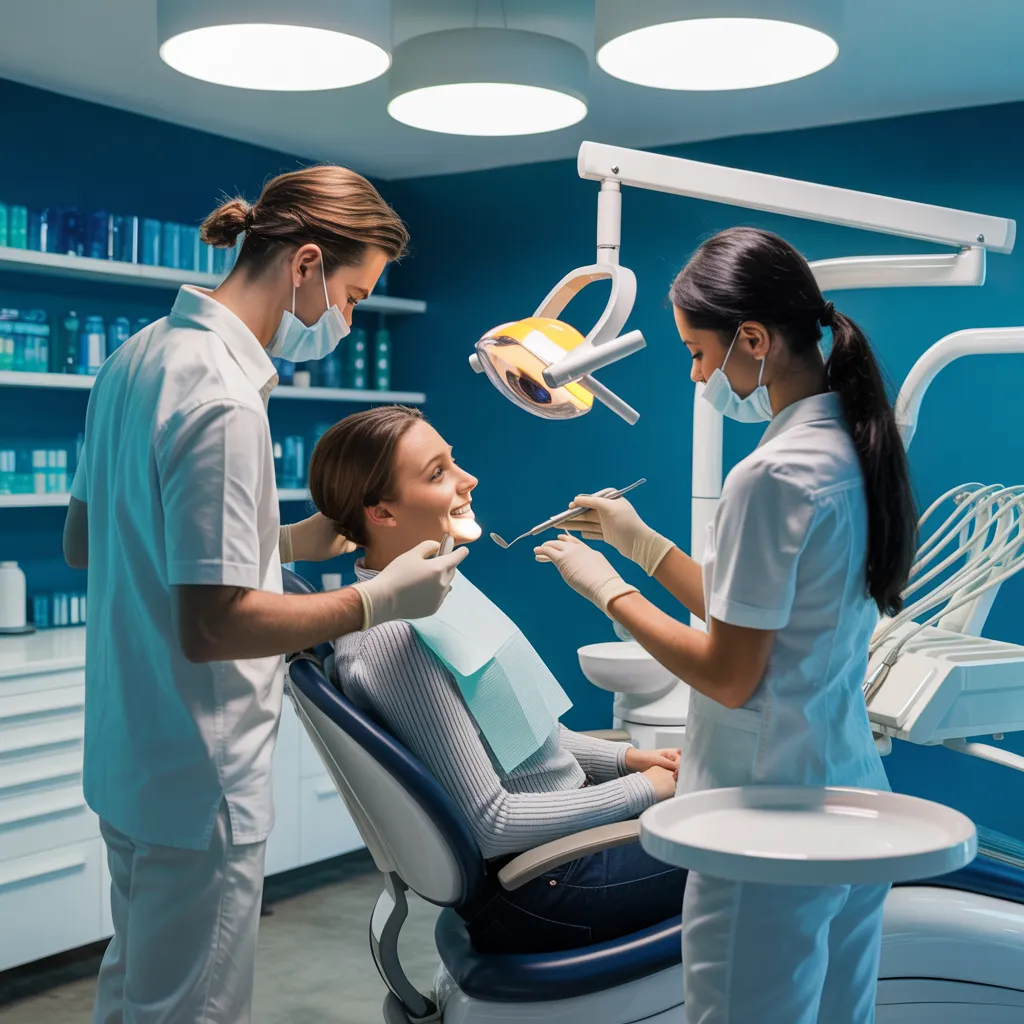
The Significance of Routine Dental Examinations
Despite being frequently overlooked, periodic dental examinations serve a vital function in maintaining ideal oral health. These check-ups permit dentists and hygienists to assess the state of the teeth and surrounding tissues, detecting concerns before they develop into major complications. Early detection of tooth decay, periodontal disease, or additional dental issues often enables more efficient and conservative treatment options.
In addition, dental check-ups often include professional dental cleanings that get rid of plaque and tartar, lowering the possibility of decay and promoting fresh breath. They also create an opportunity for patients to benefit from personalized advice on proper oral hygiene habits customized for their unique needs.
In addition, these consultations foster a trusted relationship between patients and their dental professionals, promoting open discussion about any worries. Regular dental check-ups over time support long-term oral health, guaranteeing that patients keep a bright smile and overall quality of life throughout their life journey.
Exploring Preventive Care and Its Advantages
Preventive care serves a vital role in preserving optimal oral health. Routine cleanings, along with sealants and fluoride treatments, greatly reduce the risk of cavities and gum disease. Understanding these benefits empowers individuals to make informed decisions about their dental care.
Why Routine Cleanings Matter
Routine dental cleanings serve as a foundation of optimal oral health, underscoring the significance of preventive dental care. These cleanings, typically recommended every six months, aid in eliminating plaque and tartar accumulation that routine brushing can overlook. By tackling these concerns, people can significantly lower their chances of developing cavities, gum disease, and additional oral health complications. Additionally, professional cleanings allow dental practitioners to identify early signs of potential problems, enabling timely intervention. This forward-thinking method not only sustains a radiant smile but also promotes overall health. People commonly enjoy fresher breath and an enhanced appearance after cleanings, affirming the emotional rewards of consistent dental visits. Ultimately, investing in regular cleanings fosters a lifetime of peak oral health.
Fluoride And Sealants Benefits
When evaluating strategies for maintaining dental health, the benefits of fluoride treatments and dental sealants come to light. A dental sealant is thin coatings applied to the occlusal surfaces of back teeth, successfully preventing tooth decay by closing off grooves where debris and bacteria may build up. This protective treatment is particularly beneficial for children, as their back teeth are often more susceptible to tooth deterioration.
Fluoride treatments, on the other hand, strengthen tooth enamel, making it more resistant to acid attacks from plaque and foods. Routine fluoride use can substantially decrease the likelihood of developing cavities. Combined, sealants and fluoride establish a comprehensive strategy for preventive care, supporting lasting oral health and reducing the necessity for more invasive dental treatments down the line.
What to Expect During Your Regular Dental Check-Up?
A typical dental examination typically involves multiple essential components aimed at helping to examine and promote ideal oral health. At the start, the dental professional conducts a thorough examination of the teeth, gums, and mouth to uncover any concerns such as cavities, gum disease, or oral cancer. Following this, professional cleaning is conducted, which includes the elimination of plaque and tartar deposits, polishing of the teeth, and detailed flossing to enhance overall gum wellness.
X-rays may also be taken to detect underlying problems that are unable to be seen during the clinical examination. The dentist may review individualized oral hygiene habits and dietary recommendations tailored to the patient's needs. Additionally, any necessary treatments or preventative steps, such as fluoride application or sealants, may be recommended. Overall, consistent check-ups are crucial for the early identification of possible concerns, promoting lasting oral health and avoiding more severe dental complications.
Emergency Dental Treatment: Essential Services to Know
Emergency dental treatment is critical for managing urgent situations that can occur without warning. Typical dental emergencies involve intense pain, fractured teeth, and infections, each of which demands prompt treatment. Being aware of how to react and where to seek emergency dental services can play a crucial role in achieving positive treatment results.
Common Dental Emergencies
Dental emergencies can occur without warning, often causing significant pain and anxiety. Typical dental emergencies involve severe toothaches, which may signal infections or decay, and knocked-out teeth, necessitating immediate attention to improve the likelihood of preserving the tooth. Chipped or broken teeth can likewise cause discomfort and may necessitate immediate care. Further emergencies encompass abscesses, which can result in inflammation and fever, and dental appliances that break or malfunction. Each of these scenarios requires swift attention from a dental professional to minimize further complications and alleviate pain. Being aware of these common emergencies enables individuals to respond effectively, ensuring that peak oral health is maintained and preventing long-term damage.
Essential Care Procedures
Comprehending immediate care procedures is vital for managing dental emergencies effectively. When a dental emergency occurs, swift response can greatly minimize injury and alleviate pain. Typical steps include supporting a weakened tooth, cleaning a dislodged tooth with saline solution, and using an ice pack to reduce swelling. For intense discomfort, over-the-counter analgesics may deliver momentary ease until expert assistance is reached. In situations involving hemorrhage, placing steady force with a fresh bandage can help control it. Recognizing the urgency of the situation is vital; some issues may necessitate prompt expert examination. In the end, knowledge of these immediate care steps allows patients to move promptly, guaranteeing optimal results in dental emergencies.
Finding Emergency Dentists
Identifying the search for emergency dentists can be daunting, especially during a time of need. Patients often face sudden dental issues, such as acute pain, broken teeth, or infections, necessitating immediate attention. To identify an emergency dentist, one can begin by exploring online directories and dental association websites. Reviewing reviews and testimonials can provide insight into a dentist's credibility and quality of care. It's also beneficial to seek recommendations from friends or family. Being aware of a dentist's office hours and whether they accept walk-ins is essential, as many emergencies occur outside regular hours. Additionally, some dental practices offer round-the-clock services, ensuring prompt care when needed most, thereby easing the stress of unexpected dental emergencies.
Picking the Ideal Cosmetic Dental Treatment for Your Smile
What is the best way to determine the most appropriate cosmetic dentistry option to achieve a better smile? Individuals seeking cosmetic enhancements should begin by evaluating their specific needs and goals. A visit to an experienced dentist can offer helpful guidance, helping to identify options such as veneers, teeth whitening, or orthodontic solutions.
Additionally, considerations such as the condition of one's teeth, available budget, and desired outcomes hold significant importance in the evaluation process. To illustrate, individuals with tooth discoloration explore now could benefit from professional whitening options, while people with alignment issues might look into braces or clear aligners.
It is essential to consider the advantages and disadvantages of every procedure and understand the potential recuperation period involved. Exploring options and consulting professionals can further inform choices, ensuring people select a treatment that suits their cosmetic goals and dental health. At the end of the day, the right cosmetic dental procedure can considerably improve one's overall confidence and appearance.
Expert Dental Solutions: A Guide to Root Canals, Implants, and Additional Treatments
Advanced dental treatments encompass numerous procedures designed to restore and enhance oral health. As part of these treatments, root canals are essential for saving teeth affected by serious decay or bacterial infection. This process includes extracting the damaged pulp tissue, thoroughly sanitizing the canal, and closing it to stop future problems.
Dental implants represent another significant advancement, offering a lasting remedy for missing teeth. They consist of titanium posts surgically inserted into the jawbone, functioning as synthetic roots for crowns that reinstate both performance and visual appeal.
Further advanced procedures can include periodontal treatment for gum-related conditions and surgical dental procedures for complicated conditions. Every one of these interventions necessitates specialized knowledge and skills, emphasizing the importance of professional expertise. With these specialized treatments, patients can achieve better oral health outcomes, improved function, and greater smile confidence. Being aware of these choices empowers people to reach well-considered decisions concerning their dental treatment plan.
How to Pick the Perfect Dental Provider for Your Circumstances
Picking the best oral health professional can profoundly influence one's oral health journey. Individuals should evaluate several factors to guarantee they get quality care. First, evaluating credentials and experience is essential; a competent dentist should hold relevant licenses and have advanced training aligned with particular needs.
Next, assessing the range of dental services provided can aid in identifying if a dental professional aligns with one's oral health needs, covering regular check-ups or more extensive dental procedures.
Moreover, practical considerations such as proximity, business hours, and appointment options need to be evaluated, as these may influence how often you visit regularly.
Additionally, reading online reviews and seeking recommendations from trusted sources can provide valuable insights into a provider's reputation and patient satisfaction.
Finally, discussing insurance compatibility and financial options can help with making an informed decision. By thoroughly researching these considerations, prospective patients can select a dental professional that most effectively addresses their personal requirements.
Common Questions and Answers
How Often Should I Replace My Toothbrush?
Professionals advise replacing a toothbrush every three or four months, or earlier if bristles become frayed. Regular replacement ensures efficient cleaning and supports oral hygiene, aiding in the prevention of plaque buildup and maintain overall dental health.
Are X-Rays at the Dentist Safe for Children?
Dental x-rays are generally considered safe for children when performed correctly. They involve minimal radiation exposure, and protective equipment, such as lead aprons, is utilized. Regular monitoring guarantees their dental health while minimizing exposure to potential risks.
Which Foods Should I Avoid for Improved Oral Health?
To promote better oral hygiene, individuals should avoid sugar-laden treats, acid-rich foods, and sticky items that cling to teeth. Cutting back on carbonated drinks and reducing refined carbohydrates further supports maintaining better dental hygiene and overall health.
Is My Dental Health Affected by Stress?
Stress has a profound effect on dental health by contributing to teeth grinding, jaw clenching, and poor oral hygiene practices. These behaviors may lead to a range of dental concerns including tooth wear, gum disease, and additional oral health issues over time.
How Do I Manage Dental Anxiety Before Appointments?
To address dental nervousness before appointments, patients can practice deep breathing, envision favorable outcomes, discuss worries with their dentist, book appointments at comfortable times, or adopt mindfulness strategies to encourage relaxation and diminish fear while undergoing dental care.